
Cape Verde’s World Cup 2026 Story — Inside the Smallest Nation’s Biggest Moment
🌍 World Cup 2026 · Human Interest · Updated June 19, 2026
🔑 Key Facts: Cabo Verde is a 10-island nation off the coast of West Africa with a population of roughly 525,000 people — smaller than the city of Sacramento. They qualified for their first-ever World Cup by topping their CAF qualifying group, finishing four points ahead of Cameroon. Manager Bubista, a Cabo Verdean himself, has led the team since 2020. On June 15, the team held European champions Spain to a 0-0 draw in their tournament opener.
Of the 48 teams at World Cup 2026, none has captured the imagination quite like Cabo Verde. A nation most casual football fans couldn’t have located on a map two weeks ago is now a global talking point — not just for holding Spain scoreless, but for the remarkable story behind how a small archipelago of volcanic islands built a team capable of doing it. If you haven’t seen how that result fits into the tournament’s wider pattern of shocks, start with our roundup of World Cup 2026’s biggest upsets so far, and for the bigger picture on how the groups and bracket work, see our World Cup 2026 groups & bracket explainer.
~525,000
National Population
10
Islands
1st
World Cup Appearance
40
GK Vozinha’s Age
Contents
- A Nation of Half a Million Takes On the World
- The Qualifying Run That Beat Cameroon
- Bubista — The Manager Who Made History
- The Squad: Vozinha, Mendes, and Pico Lopes
- The Night They Held Spain
- Frequently Asked Questions
A Nation of Half a Million Takes On the World
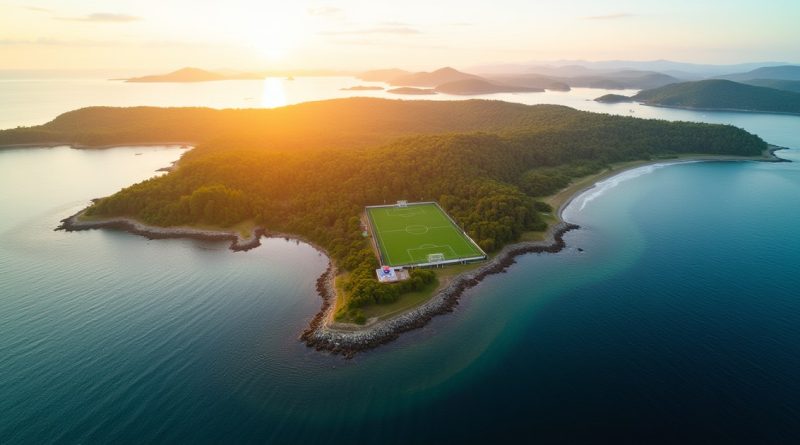
Cabo Verde sits roughly 385 miles off the coast of Senegal in the Atlantic Ocean — ten volcanic islands with a combined land area smaller than the state of Rhode Island and a population of about 525,000, making it the second-smallest nation by population ever to reach a World Cup (only Iceland’s 2018 squad represented a smaller country). The islands were uninhabited until Portuguese colonization in the 15th century and gained independence in 1975. Football has been the country’s most unifying export ever since — a huge Cabo Verdean diaspora lives in Portugal, France, the Netherlands, and the United States, and that diaspora is exactly where much of this World Cup squad was raised and developed.
For a country this size, simply fielding a competitive national team is an achievement. Reaching a World Cup — ahead of nations with vastly larger populations, budgets, and football infrastructure — is the kind of story that travels far beyond the usual football audience, which is exactly why Cabo Verde has become one of the most talked-about teams of the tournament’s opening week.
The Qualifying Run That Beat Cameroon
Cabo Verde qualified by winning Group D of CAF (African) qualifying, finishing four points clear of five-time World Cup participant Cameroon — a genuine African football powerhouse with vastly more resources. Cabo Verde won seven of their ten qualifying matches, a remarkably consistent campaign for a team many expected to finish behind Cameroon as a matter of course. The decisive moment came when the team secured its place with a comfortable win over Eswatini in their final qualifier, sparking celebrations across all ten islands and within the diaspora communities watching from Lisbon to Boston.
Bubista — The Manager Who Made History
The man who built this team is Bubista, a 56-year-old Cabo Verdean coach who has led the national team since 2020. Under his stewardship, Cabo Verde reached the quarter-finals of the Africa Cup of Nations for the second time in the program’s history, and he’s overseen the side across three major tournament campaigns with a win rate hovering around 48% — extraordinary consistency for a nation of this size. By guiding Cabo Verde to the 2026 World Cup, Bubista became the first manager ever to take the country to football’s biggest stage, a fact that’s been celebrated as a point of national pride independent of anything the team does on the pitch in the United States, Mexico, and Canada.
💡 Did You Know?
Bubista is known by his nickname rather than his birth name in virtually all football coverage — a common tradition in Lusophone football culture that mirrors how players like Pelé and Zico became known by single names.
The Squad: Vozinha, Mendes, and Pico Lopes
Three names define this Cabo Verde squad heading into the World Cup:
- Vozinha (goalkeeper, 40): The hero of the Spain match. A veteran shot-stopper who saved all seven of Spain’s shots on target on June 15, instantly becoming a global story and gaining millions of new social media followers within 24 hours of the final whistle.
- Ryan Mendes (captain, winger): Cabo Verde’s all-time leading scorer and most-capped player, leading the team 16 years after his international debut. Mendes is the emotional and tactical center of the squad — the player most associated with the program’s rise from regional also-ran to World Cup qualifier.
- Roberto “Pico” Lopes (defender): An experienced central defender whose organization at the back was central to shutting down Spain’s attack for 90 minutes, alongside striker Dailon Livramento, who was decisive during the qualifying campaign.
Like many smaller football nations, a significant portion of this squad was born or developed in the diaspora — Portugal, France, and the Netherlands all feature prominently in player development pathways — giving Cabo Verde a depth of experience in top European leagues that its population size alone wouldn’t suggest possible.
The Night They Held Spain
On June 15, Cabo Verde lined up against Spain — the reigning European champions and one of the heaviest favourites in Group H — and produced 90 minutes of disciplined, deep defending that frustrated one of the most talented squads in the tournament. Spain completed 734 passes to Cabo Verde’s 205 and fired 27 shots to Cabo Verde’s six, but the scoreline stayed 0-0. It was Cabo Verde’s first-ever World Cup match, and they walked away with a point against a team many had tipped to win the group comfortably.
The result instantly made Cabo Verde the tournament’s most talked-about underdog story — for the full context of how that result fits among 2026’s other shocks, see our roundup of World Cup 2026’s biggest upsets so far.
🏆 Record Breaker
Cabo Verde is one of only four nations making their World Cup debut in 2026 — alongside Curaçao, Jordan, and Uzbekistan — the most debutant nations at a single World Cup since the format last expanded significantly. Read more in our guide to World Cup 2026’s debutant nations.
Frequently Asked Questions
How big is Cape Verde (Cabo Verde) as a country?
Cabo Verde has a population of roughly 525,000 people across ten islands in the Atlantic Ocean, off the coast of Senegal. It is the second-smallest nation by population ever to qualify for a World Cup, behind only Iceland in 2018.
How did Cape Verde qualify for the 2026 World Cup?
Cabo Verde won Group D of CAF qualifying, finishing four points ahead of Cameroon with seven wins from ten matches — their first-ever World Cup qualification.
Who is Cape Verde’s manager?
Bubista, a 56-year-old Cabo Verdean coach who has managed the national team since 2020 and became the first manager to lead the country to a World Cup.
Who is Cape Verde’s goalkeeper who stopped Spain?
Vozinha, a 40-year-old veteran goalkeeper, saved all seven of Spain’s shots on target in the June 15 group-stage match, which finished 0-0.
Who is Cape Verde’s captain?
Ryan Mendes, a winger who is the country’s all-time leading scorer and most-capped player, captains the side 16 years after his international debut.